Leaking
Why is my pod leaking? A step-by-step troubleshooting guide
8 min readLast updated 10 September 2026
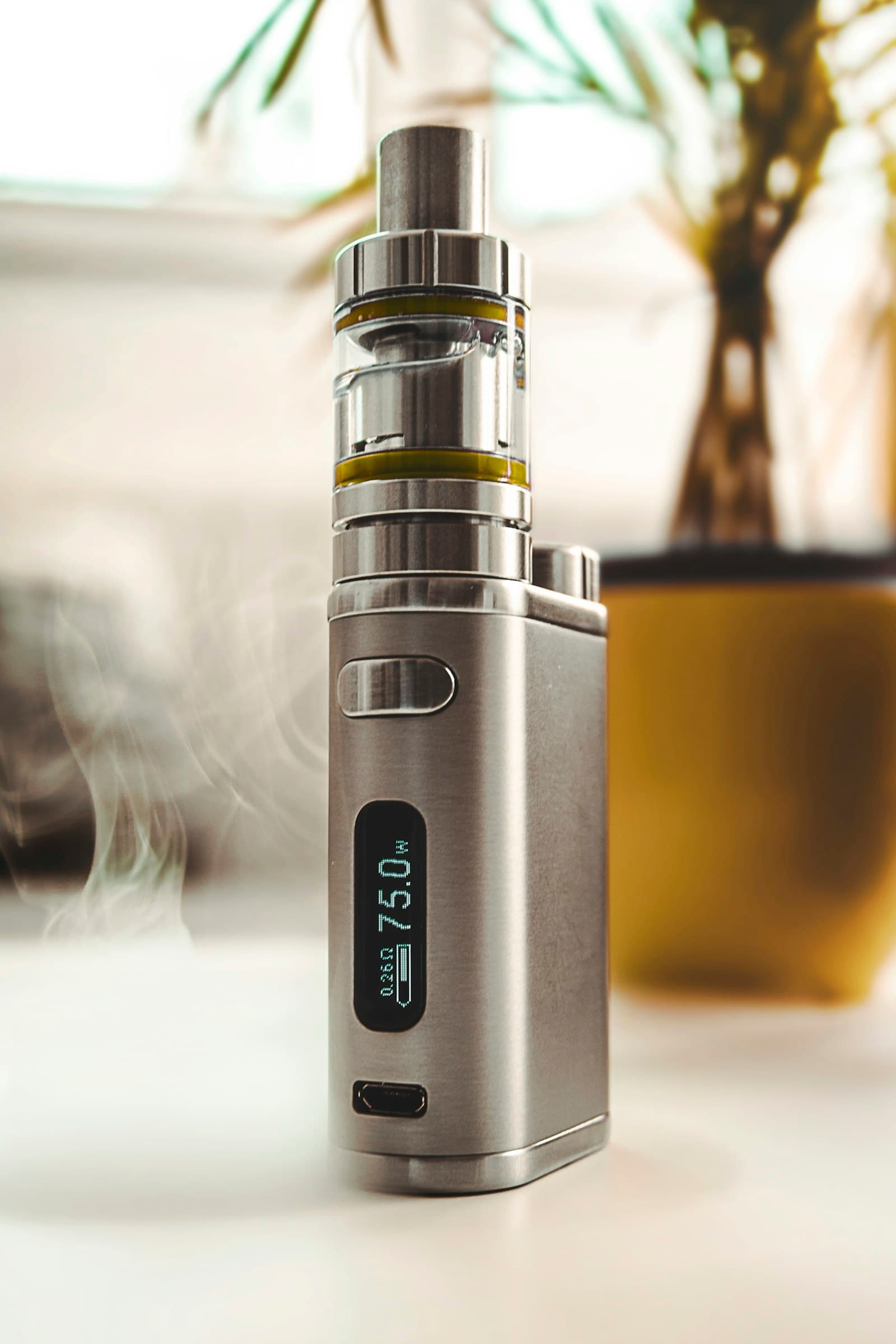
A leaking pod or tank is one of the most common faults reported by vapers, and in most cases it has a specific, fixable cause rather than being a sign the device is broken. This guide sets out six checks in a sensible order, starting with the quickest to rule out. Work through them one at a time rather than jumping around, since fixing the wrong thing first can make it harder to tell what actually solved the problem.
Work through these checks in order
Each step below builds on the last. Stop as soon as you find and fix the cause; there's no need to work through every step if an earlier one turns out to be the answer.
Check the coil is seated properly
Unscrew the pod or tank from the battery section and look at where the coil meets the base. The coil should sit flush, with its threads engaging evenly. A coil that has been screwed in at an angle, or cross-threaded, will leave a small gap that e-liquid can seep through.
Remove the coil, check the threads for damage, and refit it by hand until it stops turning naturally, then a quarter-turn more. Avoid forcing it with tools; vape threads are usually plastic or soft metal and strip easily.
Check the O-rings and seals for wear
Most pods and tanks rely on small rubber or silicone O-rings to keep e-liquid sealed inside. These sit around the base of the coil, the glass or plastic section, and sometimes the drip tip. Heat and regular use flatten and harden them over months of use, so a seal that worked fine when the device was new can eventually let liquid through.
Look closely for O-rings that appear flattened, cracked, or have come out of their groove entirely. Replacement O-ring kits for popular tanks typically cost around £3–£6 from a vape shop and are a cheap first repair to try before replacing the whole tank.
Check your fill level
Most tanks and pods have a maximum fill line, and filling above it pushes e-liquid into the central airflow chimney rather than leaving room for it to sit properly around the coil. This is a very common, easily overlooked cause of leaking, particularly with pods that have a small fill window that's easy to misjudge. It also helps to wait a minute or two after filling before pulling on the device, giving the coil time to fully saturate rather than flooding under the first few draws. The same overfilling and flooding also explains a lot of gurgling or crackling sounds, so it's worth checking both symptoms together if you're getting either one.
Check whether your e-liquid is too thin for the device
E-liquid is a mix of propylene glycol (PG) and vegetable glycerine (VG), and the ratio matters more than most new vapers expect. High-VG liquid is thicker and is designed for sub-ohm, direct-to-lung (DTL) tanks with larger coil holes and higher wattage. Using a high-VG liquid in a low-power mouth-to-lung (MTL) pod, which has smaller juice holes, can cause it to flood the coil faster than it can vaporise, and the excess finds its way out through the airflow.
Device type Typical wattage Best suited e-liquid MTL pod kit 5–25W Nic salts, 50/50 PG/VG or higher PG DTL sub-ohm tank 40–80W+ High-VG shortfill e-liquid This mismatch is also a common reason behind weak or muted flavour, not just leaking: liquid that's too thick for the wattage struggles to vaporise fully, so you get a thinner-tasting draw as well as a wetter one. Checking your device's recommended wattage range against your e-liquid's VG content solves both symptoms at once. The same wattage-and-coil relationship also affects how harsh or strong a hit feels, which is worth knowing if the issue is actually a nicotine strength mismatch rather than a leak.
Check for cracks in the pod or tank
Inspect the glass or plastic section carefully, particularly near the base and any seams. Hairline cracks are easy to miss and often follow a drop, even a short one onto a hard surface. A cracked tank will usually leak steadily rather than only after filling, which is a useful clue that points away from the fill-level or O-ring checks above.
Consider temperature and altitude changes
Air pressure and temperature changes can cause trapped air inside a sealed tank to expand and push e-liquid out, even with no fault at all. This is why devices sometimes leak after being left in a hot car, taken on a flight, or moved from a cold outdoor pocket into a warm room. If leaking only happens after one of these situations, the device itself may be fine.
When it's more than a quick fix
If you've worked through all six checks and the pod still leaks, it's worth replacing the coil outright, since worn coils can distort slightly with heat over time even without visible damage. Coils are a consumable part and typically need replacing every one to four weeks depending on use, regardless of leaking.
Worth knowing
Under the Tobacco and Related Products Regulations, UK-regulated nicotine e-liquid is capped at 20mg/ml and sold in bottles no larger than 10ml, with pre-filled pods and cartridges limited to 2ml. Sticking to correctly filled, properly sealed refillable tanks and pods, as covered above, is the main thing within your control when it comes to leaking.