Battery & charging
Getting the most from your Al Fakher HyperMax Prime 50K: care and troubleshooting tips
7 min readLast updated 18 September 2026
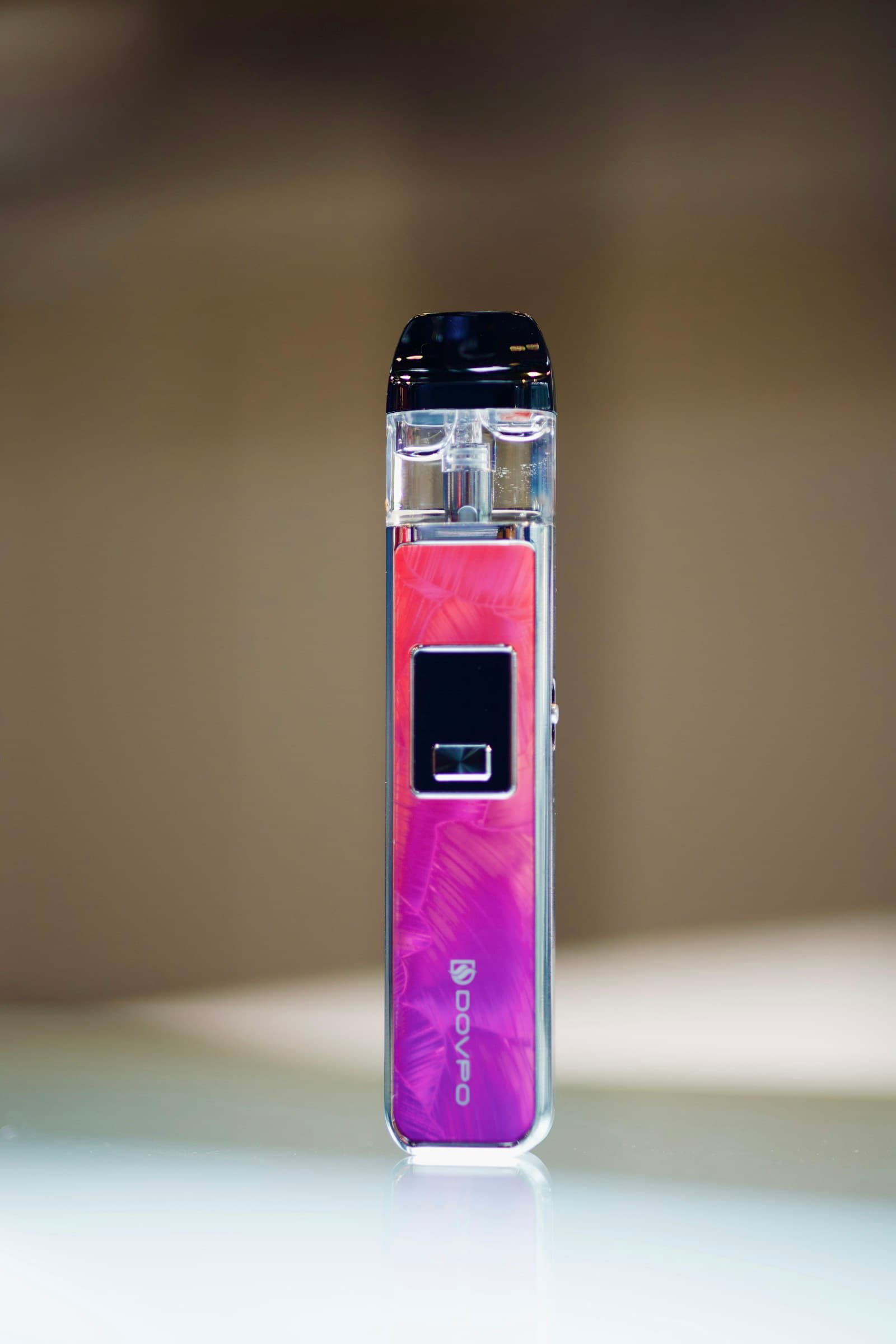
The Al Fakher HyperMax Prime 50K is a rechargeable pod kit built around a "Snap Dual" module system: the mesh coil sits inside each snap-on pod, so when a pod is spent you replace the pod rather than the whole device. That's a different maintenance routine to a single-use disposable, and it means a handful of care habits make a real difference to how the kit performs day to day.
None of what follows is specific to this one brand, but it's written with this device's particular layout in mind: a 1000mAh built-in battery, a USB-C charging port, and a pod that clicks onto the top rather than screwing in. Work through the sections below in order if something feels off, or jump straight to the one that matches what you're seeing.
It's also worth knowing what you're actually holding. This is a rechargeable kit with a replaceable pod, not a single-use disposable you throw away when it runs dry, so the things that keep it running well are closer to looking after a small refillable pod kit than a throwaway device: a bit of charging discipline, keeping the connection point clean, and knowing when a pod, rather than the whole device, is the part that needs swapping out.
Give the 1000mAh battery a sensible charging routine
The built-in 1000mAh battery charges over USB-C, and the manufacturer states roughly 35 minutes for a full charge from empty, with around a day of typical use per charge. Treat both figures as estimates rather than guarantees; how long a charge actually lasts depends heavily on how often and how long you draw on it, so a heavier day of use will always run the battery down faster than a light one.
Use a proper USB-C cable and a plug adapter you know delivers enough current, rather than an old or underpowered cable, and unplug the device once it's finished charging rather than leaving it connected for hours afterwards as a matter of habit. Charging little and often, rather than always running the battery flat first, is generally kinder to a small built-in lithium cell like this one.
Rule out the obvious things before assuming a fault
If the device seems unresponsive, check the USB-C port itself before anything else. Pocket lint and dust build up in a port over time and can stop a good connection forming, particularly if the kit lives loose in a bag or coat pocket alongside keys and coins. A quick look with a torch and a gentle clear with a dry cocktail stick, never anything metal, is worth doing before you assume the battery itself has failed. It's also worth trying a second cable and a different wall adapter, since an underpowered cable or a laptop USB port can fail to charge a device properly even when the port and battery are both fine.
Keep the snap-pod contacts clean
Because the pod snaps onto the top of the device rather than screwing in, the connection relies on a small set of exposed metal contacts staying clean and dry. E-liquid residue that creeps down around this join is one of the more common causes of a burnt taste, a pod that seems to fire inconsistently, or vapour production that drops off even though the pod still has liquid in it.
A dry cotton bud is usually enough to lift residue off the contacts; if they look sticky or discoloured, a bud very lightly dampened with isopropyl alcohol works better, followed by a minute or two to dry fully before snapping the pod back on. This is exactly the same approach set out in our general guide to cleaning and maintaining a vape kit, and it's worth doing as a quick habit every few days rather than only once something starts tasting off.
Tell a spent pod apart from a charging fault before you swap anything
It's easy to assume a pod is finished when actually the device itself hasn't charged properly, or the other way round. A useful first check: does the device show any charging response at all when plugged in, such as a light or on-screen indicator? If nothing happens on any cable or port, that points to a battery or charging problem rather than the pod.
If the device charges normally and powers on but vapour production has dropped off, tastes burnt, or has gone thin and weak, that points to the pod rather than the battery. Separating these two things first saves you buying a replacement pod when the actual issue is a cable, or vice versa.
Watch for the signs a pod actually needs replacing
A pod that's reaching the end of its life usually gives a few warning signs before it stops working altogether: a noticeably burnt or scorched taste that doesn't improve after cleaning the contacts, vapour that's become thin or muted compared with a fresh pod, or a gurgling sound that wasn't there before, even with the e-liquid level topped up. UK-regulated prefilled pods are capped at 2ml, so each one only has a limited run before it needs swapping; when you reach that point, a set of Al Fakher HyperMax Prime 50K pods is a straightforward like-for-like replacement, typically priced somewhere around £7–£8.
Store the device and any spare pods correctly
Between sessions, keep the device upright rather than lying flat, out of direct sunlight and away from anywhere it might get genuinely hot, such as a car dashboard or a windowsill. Spare pods keep best left sealed until you're ready to fit one, in a cool, dry drawer rather than a damp bathroom cabinet. Our full guide to storing a vape kit and e-liquids properly covers this in more depth, including travelling with the device and spotting e-liquid that's past its best.
Know when to stop rather than keep troubleshooting
Battery safety
If the battery casing looks swollen or warped, or the device gets unusually hot while charging or in use, stop using it immediately. Don't attempt to force a charge, keep using it, or open the device up. That's a safety issue to retire the device over, not a fault to work around.
Quick reference: what the symptom usually points to
| What you see | Most likely cause |
|---|---|
| No charging light or response on any cable | Cable, adapter or port issue; check these before the battery |
| Charges fine, but vapour is weak or burnt-tasting | Pod nearing the end of its life, or dirty contacts |
| Gurgling sound with the pod topped up | Pod reaching the end of its run, or contacts need cleaning |
| Device is hot, swollen or warped | Stop use; battery safety issue |
A note on the puff rating
Al Fakher markets the Al Fakher 50K kit around a headline figure of "up to 50,000 puffs". It's worth being clear about what that figure actually means: it's a manufacturer estimate covering the device and multiple replacement pods used across its whole lifetime, not a number delivered by any single pod or the device alone. Real-world puff counts vary a lot depending on draw length and how often you vape, so it's sensible to treat it as a rough ceiling rather than a figure to hold the device to.
Flavours, pricing and where it fits legally
The range runs across fruit, menthol and mixed flavours, with options like Blue Razz Lemonade, Lush Ice, Two Apple, Grape Mint, Peach Ice, Magic Love and Cool Mango turning up across UK retailers, alongside nicotine salt strengths up to the UK cap of 20mg/ml and some lower-strength freebase options depending on the flavour. Kits are typically priced under £15, with refill e-liquid sold separately at the UK's 10ml regulatory cap per bottle. It has drawn attention from UK vape reviewers since launch, though we'd treat any specific score you see quoted elsewhere as one reviewer's opinion rather than something independently verified.
Because it's rechargeable with a replaceable pod rather than single-use, this kit fell outside the UK's 1 June 2025 ban on disposable vapes and has remained legal to sell since, which is part of why devices built this way have become more common on UK shelves generally. It's sold through multiple established UK vape retailers rather than a single supplier, so it's worth comparing kit and pod prices across a couple of retailers rather than assuming the first one you find is the cheapest.
General troubleshooting pointers
Beyond the checks above, a few habits carry over from any pod kit and are worth keeping in mind. Let a newly fitted pod sit for a minute or so before the first draw, giving the coil inside time to soak through properly rather than firing on a dry wick, which is a common cause of an early burnt taste that has nothing to do with the pod being faulty. Avoid forcing a pod into place if it doesn't click in smoothly; a pod that seems to need real pressure to seat is more likely misaligned than stiff, and forcing it risks damaging the contacts underneath. And if you've worked through charging, contacts and a fresh pod and the problem still hasn't shifted, that's a reasonable point to contact the retailer you bought it from rather than continuing to guess.
The short version
Most of what determines how well this kit holds up is routine rather than technical: charge it sensibly rather than leaving it plugged in around the clock, keep the snap contacts clean, work out whether a problem is the pod or the charging before you replace either, and store the device and spares out of heat and direct sun. Stay on top of those habits and the kit should keep performing consistently for as long as you keep swapping in fresh pods.